Connect with Us
The Current

Our Insights

April 12, 2026

Ceasefire Sparks Rally as Markets Weigh Iran Risk

President Trump announced Tuesday he would suspend military strikes on Iran for two weeks, contingent on Tehran reopening the Strait of Hormuz. Markets responded sharply: Dow futures surged more than

STORY OF THE WEEK

Ceasefire Sparks Rally as Markets Weigh Iran Risk

*A two-week truce proposal lifted equities and hammered oil, but fresh complications and a cautious Fed kept investors on edge.*

Ceasefire Sparks Rally as Markets Weigh Iran Risk

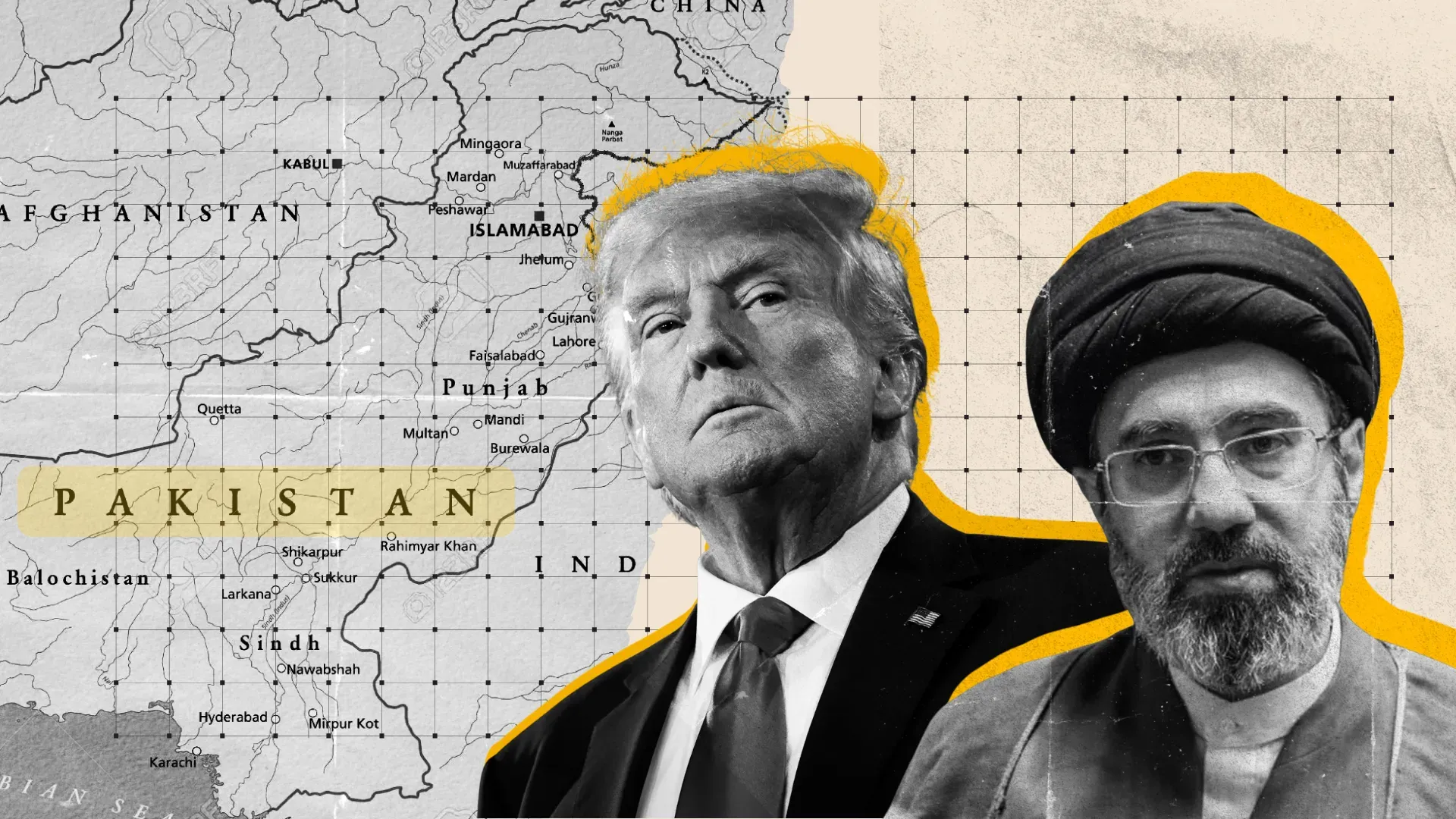
President Trump announced Tuesday he would suspend military strikes on Iran for two weeks, contingent on Tehran reopening the Strait of Hormuz. Markets responded sharply: Dow futures surged more than 700 points, S&P 500 and Nasdaq futures both gained roughly 1.7%, while crude oil reversed course and fell sharply in after-hours trade after closing at its highest settlement price since June 2022 during the regular session.

The ceasefire remains fragile. Iran signaled it may withdraw from the truce if Israel continues strikes on Hezbollah in Lebanon, though U.S. and Israeli officials maintained Lebanon was never part of the agreement. Iran's state-linked Tasnim news agency issued pointed warnings, and Iranian armed forces were said to be identifying potential targets. Pakistan's prime minister played a quiet but active mediating role, urging both sides to honor the truce and requesting a two-week Hormuz opening as a goodwill gesture.

  • Pakistan's quiet diplomacy helped nudge both sides toward the table, with PM Sharif urging Iran to open the strait as a goodwill gesture.

  • Crude's sharp after-hours reversal unwound much of the war premium built up in prior weeks.

  • Iran's armed forces were reportedly identifying potential targets by Wednesday, a sign the truce remains unsettled.

The Federal Reserve is watching closely. Minutes from the March FOMC meeting showed most officials see inflation risks tilted to the upside and employment risks to the downside, with a prolonged Middle East conflict potentially worsening both. Rate cuts remain on the table, but further into the future than previously expected.
CLIMBS OF THE WEEK

What's Up in the Markets

What's Up in the Markets

NBIS** **(+33.2%): A new Finland datacenter development set to be online in 2027 has been announced.

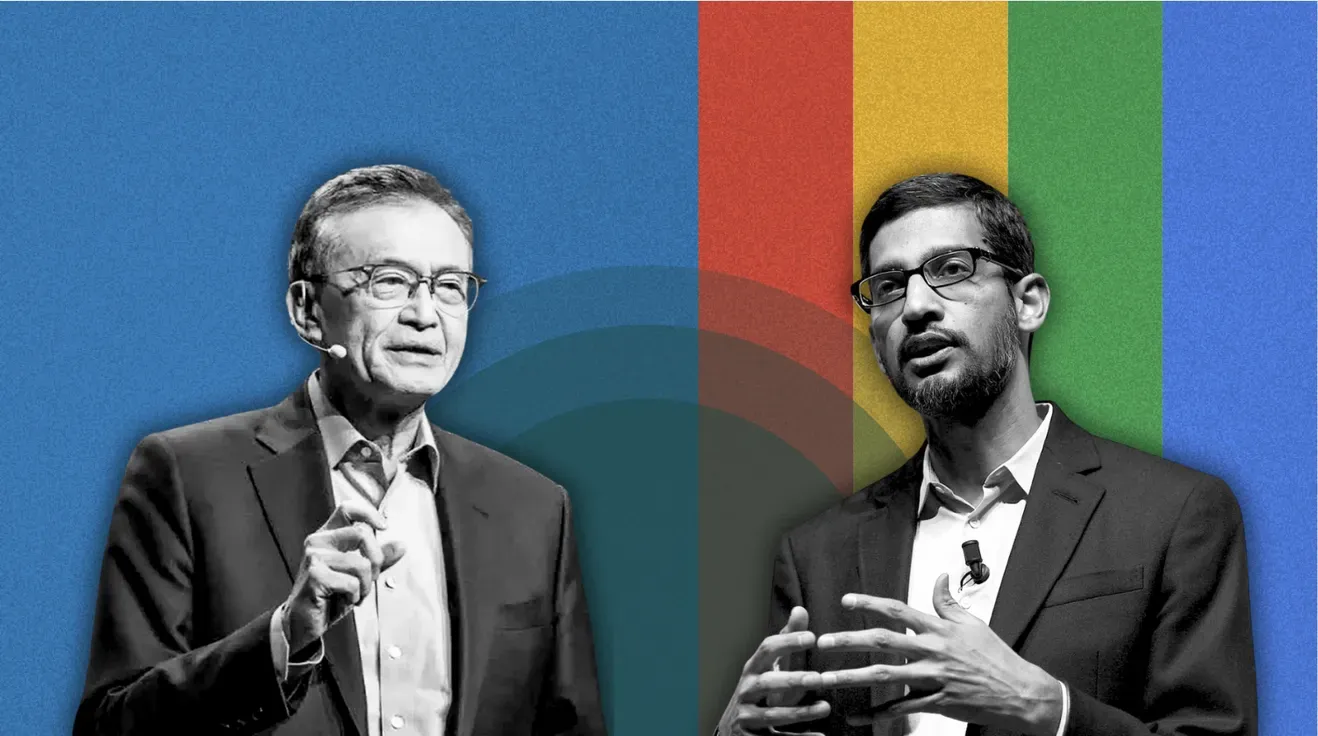
INTC** ** (+23.8%): Excitement surrounds Intel’s new deal with Google to enhance the company’s global infrastructure.

CRWV (+24%): On the back of its latest debt issuance, the company announced a partnership with AI leader Anthropic.

SLIDES OF THE WEEK

What's Down in the Markets

What's Down in the Markets

PLTR** **(-13.7%): Famed short seller Michael Burry’s since deleted post sparked a decline in the highly valued company this week.

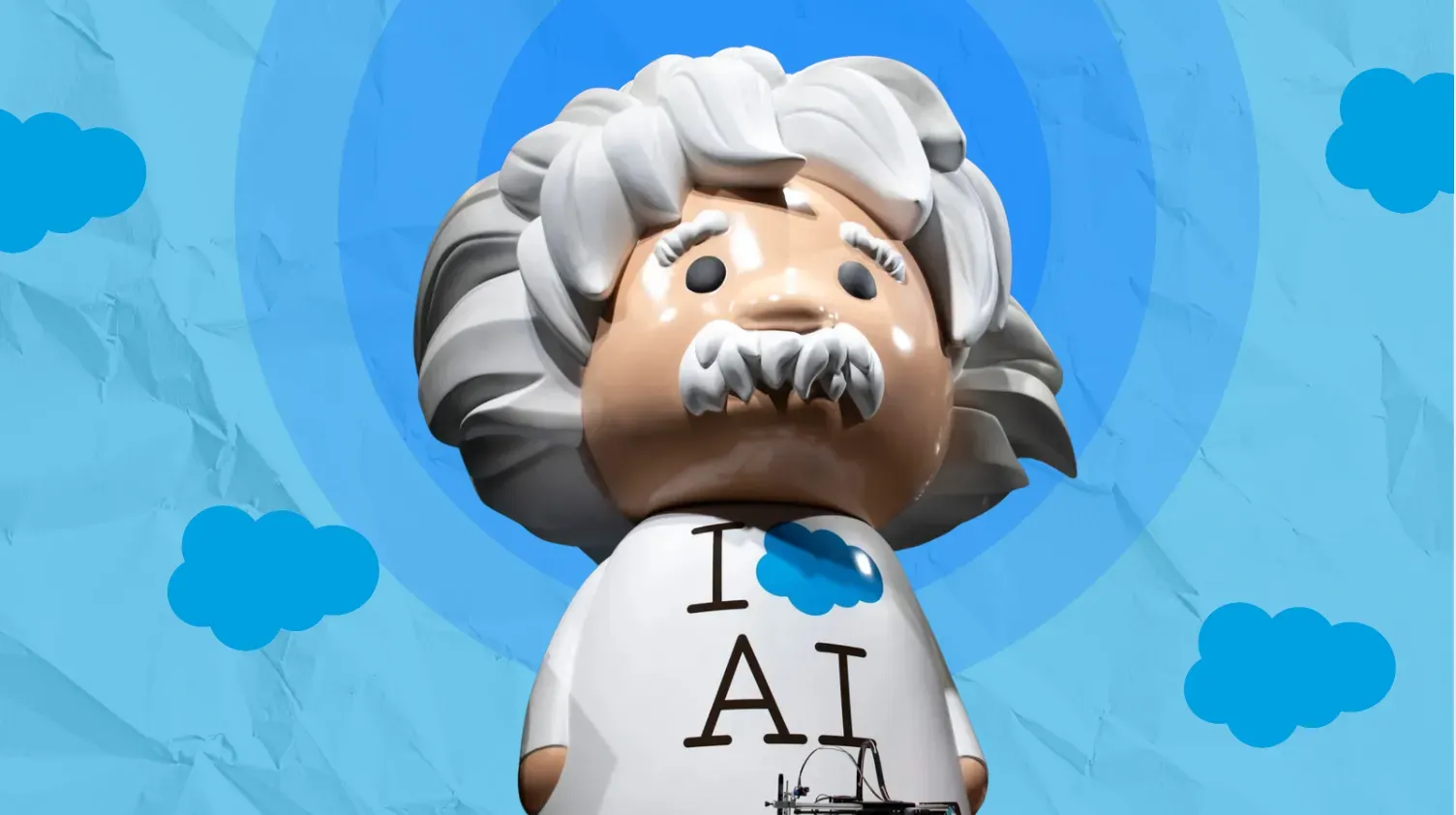
CRM (-11.9%): The software selloff continued this week, driven by questions behind AI vulnerability and Anthropic’s new Mythos model.

CVX (-5.4%): Investors are moving away from the energy trade fueled by Middle East conflict.

CHART OF THE WEEK

Jet Fuel's Three-Month Warning for Your Airfare

When oil spikes, your flight gets more expensive, just not right away

Jet Fuel's Three-Month Warning for Your Airfare

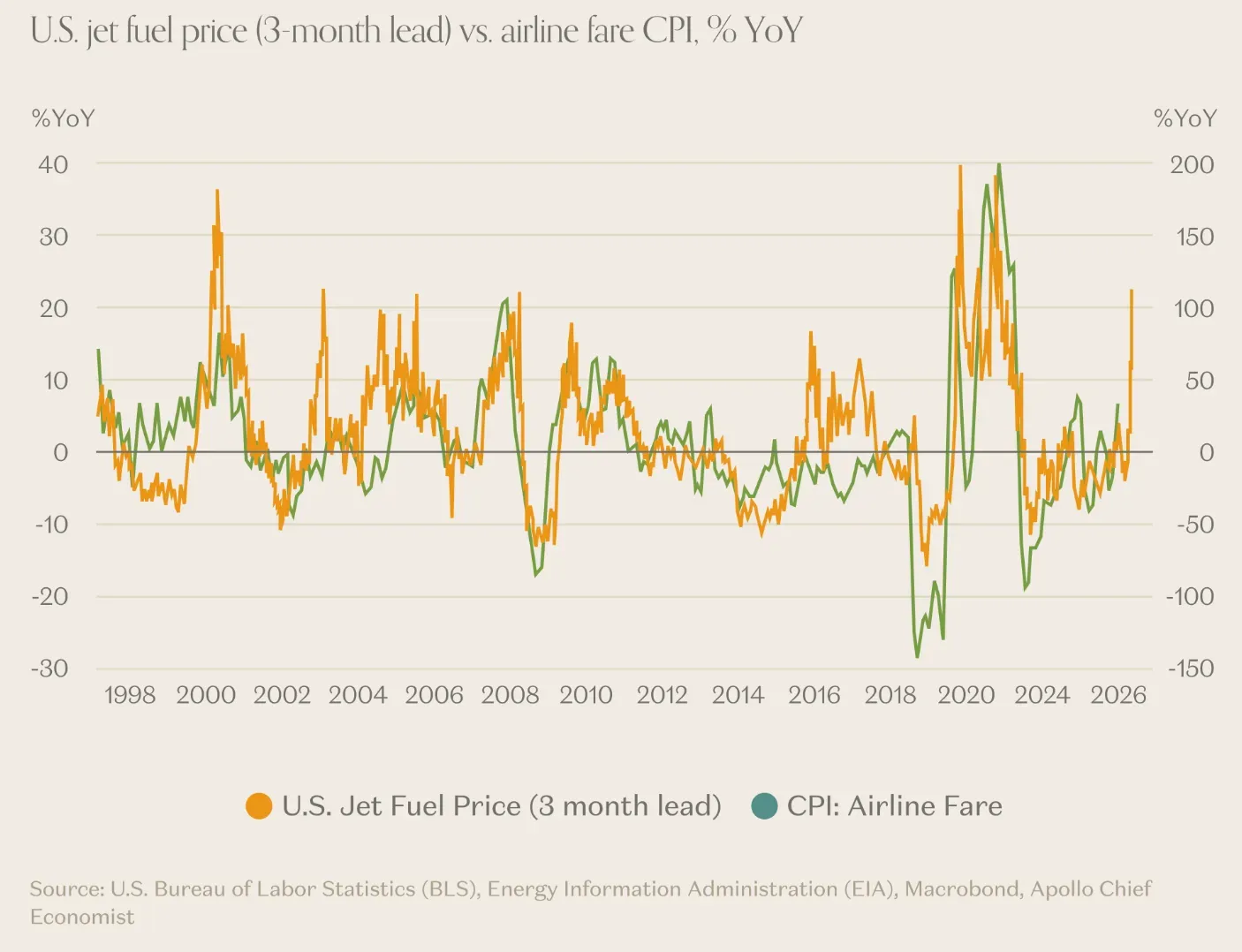
When oil spikes, your flight gets more expensive, just not right away. The roughly three-month lag between fuel costs and airline fares gives carriers time to absorb, hedge, or pass through the pain, but history shows they almost always pass it through. The relationship has held across every major oil shock since the late 1990s.

With crude closing at its highest settlement in nearly three years before Tuesday's ceasefire announcement, the clock may already be ticking. Consumers planning summer travel could be booking into a more expensive window than current fares suggest, adding another front to a cost-of-living squeeze that the Fed is already struggling to contain.

The Current